-
 Ascent Named The Best Private Student Loans for Parents Award Winner by U.S. NewsU.S. News & World Report, the global authority in rankings and consumer advice, has named Ascent the winner of the Best Private Student Loans for Parents as part of the 2026 Lending Awards. “Being recognized by U.S. News & World Report as a Best Private Student Loan for Parents award winner underscores our focus on expanding access to education and driving economic mobility for student, that ultimately supports the entire family and future generations. We remain committed to delivering transparent, flexible solutions that support students and the parents and families who invest in their success,” said Ken Ruggiero, Co-Founder and CEO of Ascent Funding. The awarded lenders were determined using a comprehensive, data-driven methodology which assessed factors including rates and fees, affordability, eligibility requirements, and customer service for lenders. For more information, read the Lenders Awards methodology. “The 2026 Lending Awards recognize exceptional institutions, while also providing current and prospective borrowers with informed insights on financial institutions that can best support their personal financial needs and goals,” said Greg Garrison, consumer banking analyst at U.S. News. U.S. News publishes consumer lending advice, calculators, mortgage rate forecasts, and more to help readers make the best money-related decisions for them. Consumers can find advice about personal and student loans, and much more at Money.USNews.com. Why Ascent Stands Out Ascent offers a range of benefits designed to support families navigating the costs of higher education: Cosigner release opportunities* – Many students initially apply with a cosigner, with the option to release the cosigner later. This can be a significant benefit for the cosigner and the student, helping reduce long-term financial responsibility for the parents, and help the student borrowers establish their own strong credit. No application, origination, or disbursement fees1 – Borrowers can focus on funding their education without added costs along the way. Flexible repayment terms that fit every student – Ascent offers multiple repayment plans with fixed and variable interest rates, giving students the freedom to choose what works for them. Undergraduate students can start payments up to 9 months after graduation, while graduate and professional students have extended grace periods tailored to their programs (up to 36 months for medical, 12 months for dental). AscentUP and internship program2 – Wrap-around support services and career-building opportunities designed to help students succeed in school, and prepare for the workforce, including access to exclusive paid internship opportunities. Support for multiple programs – From traditional undergraduate and graduate degrees to career and trade school programs, Ascent offers options that meet diverse educational paths. 1% cash back graduation reward* – Eligible borrowers who meet terms and conditions can earn a reward when completing their program. DACA eligibility – Eligible DACA students may apply for an Ascent loan, expanding access for students who may have fewer private loan options. How Winners Are Selected U.S. News evaluates lenders through a combination of quantitative metrics and editorial review, analyzing multiple key areas: Interest rates and fees – Lenders are assessed on cost competitiveness, including any hidden or upfront charges. Repayment flexibility – Options that allow borrowers to adjust schedules or choose terms that fit their budget are prioritized. Cosigner support and release policies – For parents or students with limited credit history, these options can be a deciding factor. Hardship programs – Availability of deferment, forbearance, or other protections when financial challenges arise. Accessibility – Including eligibility for non-U.S. citizens, borrowers with shorter credit histories, and students in nontraditional programs. Only lenders that balance affordability, transparency, and borrower support are recognized as winners. Being named a Best Private Student Loans for Parents signals that Ascent excels in these areas, helping families make informed financial decisions. About U.S. News & World Report U.S. News & World Report is the global leader for journalism that empowers consumers, citizens, business leaders and policy officials to make confident decisions in all aspects of their lives and communities. A multifaceted media company, U.S. News provides unbiased rankings, independent reporting and analysis, and consumer advice to millions of people on USNews.com each month. A pillar in Washington for more than 90 years, U.S. News is the trusted home for in-depth and exclusive insights on education, health, politics, the economy, personal finance, travel, automobiles, real estate, careers and consumer products and services. About Ascent Ascent is a leading provider of innovative financial products and wrap-around student support services that enable more students to access education and achieve academic and economic success. Everything Ascent offers is designed by leading industry professionals and with advanced technology and innovation to increase every student’s ability to plan, pay, and succeed. Ascent’s rare Outcomes-Based Loan provides funding to credit-invisible borrowers who generally do not benefit from traditional credit. Ascent products also include: Cosigned Loans, Solo Loans, Career Loans, Parent Loans, Graduate Loans, Access Loans, Enterprise Loans and Impact Loans. * For more information, including eligibility requirements, terms, and conditions, please visit https://www.ascentfunding.com/ascentbenefitsterms 1Only Ascent college loans are eligible for no fees. Ascent career training loans are subject to a one-time origination fee of 5.0% of the loan amount. All Ascent loans are eligible for no application, disbursement, late, NSF or early payment fees. 2 Ascent applicants and borrowers that agree to the AscentUP Terms of Service and Privacy Policy, as well as students associated with an Ascent parent loan application, have access to the AscentUP platform. Please note: Ascent Funding, LLC products are made available through Bank of Lake Mills or DR Bank, each Member FDIC. Subject to credit approval. Please borrow responsibly by maximizing scholarships and free financial aid, comparing federal and private student loans, and choosing the loan that best fits your needs.
 -
 Does Cosigning a Student Loan Affect My Credit?The Credit Impact To Cosigning a Student Loan If you’re wondering how cosigning a student loan affects credit, the answer is—it depends. Cosigning a student loan could have positive impacts on your credit, negative impacts on your credit, or no impact on your credit. It depends on how the student borrower, in this case the student whose loan you are cosigning, makes payments. However, many factors can influence the impact of cosigning a student loan on your credit. Is a Cosigner Necessary for All Student Loans? Let’s start with the basics of what is a cosigner. A cosigner is someone who agrees to accept responsibility for the repayment of a loan if the student borrower fails to fulfill their financial obligation. Ultimately, the cosigner assumes the financial risk if the student borrower defaults on their loan or fails to make timely payments. Whether a cosigner is required will depend on the student borrower’s specific financial circumstances and requirements their lender may have. These qualifications generally include financial factors such as the student borrower's age, income, credit score, and other criteria. Even if a student qualifies for a loan without a cosigner, opting to apply with a cosigner can have additional benefits. Depending on the lender, adding a cosigner may help the student qualify for a larger loan and more favorable rates and terms. When is a Cosigner Necessary for Student Loans? Several factors determine whether a cosigner is necessary for college loans or graduate student loans. Some of the student’s criteria that might determine whether a cosigner is required include: Age – Some lenders may require cosigners for student loans if the student borrower is below a certain age, usually between 18 and 22 years old (depending on the state). Credit Score – Most lenders will require a cosigner if the student borrower has no credit history or a low credit score. Employment History – Many lenders will require a cosigner if the student borrower lacks sufficient employment history (this is a common scenario for aspiring college students just finishing high school). Income – Most lenders will require a cosigner if the applicant’s income does not meet the minimum requirement, which is very likely to be the case for many prospective students. Debt-to-Income Ratio – Most lenders will require a cosigner if the applicant’s debt-to-income ratio is above a certain threshold. Even though most private student loan lenders will require a cosigner, not all will, or at least, not in all circumstances. Ascent offers both loans with a cosigner and no-cosigner student loans, depending on your needs and eligibility. How Your Credit Score is Impacted When Cosigning a Student Loan The impact of cosigning a student loan on your credit score is determined by the financial circumstances and planning of the student borrower when paying back the loan. First, any potential cosigner should understand that the student loan application process often involves a hard credit check, also known as a hard inquiry. A hard inquiry is triggered when a lender reviews your credit score to help assess your creditworthiness. This activity will have little to no short-term impact on your credit score. However, too many hard inquiries over a short period can raise a flag to lenders that you are seeking to borrow beyond what you can pay back. In the long-term, determining whether cosigning a student loan will impact your credit score depends on whether the student loan payments are made. If the loan payments are made on time, and the loan is paid back by the required date, the cosigners’ credit score may even improve. Cosigning can help the student borrower and cosigner build credit if they have little or no credit history. On the other hand, if payments are late or the loan defaults, the student borrower and the cosigner will see this reflected on their credit report. In addition to negatively impacting your credit score, as a cosigner, you may be exposed to long-term financial and potential legal consequences should the lender or debt collectors attempt to collect the unpaid debt. Other than the potential impact on your credit score, there are other financial implications of cosigning a student loan. It is important to note that there is no special classification for cosigned student loan debt on your credit score—the borrowed amount will show up as debt just as if you took out the loan yourself. This means that the loan amount will be factored into your debt-to-income ratio, which can affect your creditworthiness until the loan is paid down or off completely. If you are considering cosigning, consider how this debt could impact your future financial opportunities, such as your ability to take out other loan types, like an auto or home loan. Requirements for Cosigning a Student Loan Each student loan provider may have unique requirements regarding who is eligible to cosign a student loan, which may vary by loan type. For example, a lender may have stricter requirements for cosigners of loans above a certain amount. However, there are some common requirements that a student loan cosigner usually needs to meet. U.S. Citizenship – Many U.S.-based lenders require cosigners to be U.S. citizens or permanent residents. Age Requirements – Most lenders have age requirements for cosigners; usually, you must be at least 18. Good Credit History – All lenders require that cosigners meet or exceed a minimum credit score; larger loans may require a higher credit score. Stable Income/Employment History – Lenders often require cosigners to have a verified stable income and employment history. Low Debt-to-Income Ratio – Most lenders will require student loan cosigners to have a debt-to-income ratio that does not exceed a maximum amount. Responsible Financial Management – Lenders often look at the cosigner’s overall financial responsibility, such as their history of making a timely loan or credit card payment. Meeting Requirements Over Time – Many lenders will require that the cosigner not only meet other requirements but have met them for a sustained period, for example, two years. Relationship to Student Borrower – Although this is not a common requirement, most cosigners are family, including parents and close friends. Benefits of Being a Student Loan Cosigner While inherent risks are associated with being a student loan cosigner, there are also potential benefits that may make this decision worthwhile. Some notable benefits of becoming a cosigner include: Facilitating Access to Education - By cosigning a student loan, you play a crucial role in helping someone pursue their education. Access to higher education can open doors to better career opportunities and personal growth for the student borrower. Building or Enhancing Credit History - As a cosigner, you contribute to establishing or improving the student borrower's credit history. Timely repayments can positively impact both the student borrower's and your credit scores, potentially leading to better financial opportunities in the future. Fostering Financial Responsibility - Acting as a cosigner provides an opportunity to mentor and guide the primary borrower through financial planning. By sharing the responsibility, you can impart valuable lessons about budgeting, responsible spending, and meeting financial obligations. Potential for Favorable Loan Terms - Your involvement as a cosigner may help secure more favorable loan terms, such as lower interest rates or more flexible repayment options. This can ease the financial burden on the student borrower and create a more manageable repayment plan. Risks of Being a Student Loan Cosigner There are several risks involved in being a student loan cosigner. Some of the most important things you need to be aware of and look out for include: Full Obligation to Cover the Debt – As a cosigner, you are equally responsible for repaying the full amount of the loan. If the student borrower fails to make payments or defaults, you are legally obligated to cover the debt, which can have long-term financial implications. Negative Impact on Your Credit Score – Being a student loan cosigner can negatively impact your credit. The impact can be especially massive if the student borrower misses payments or defaults. Difficulty in Removing Yourself from the Loan – Depending on the lender, it can be a difficult process to remove a cosigner from a student loan, even if the student borrower has established good credit. Potential Legal Challenges – If the student borrower defaults on the loan, the lender can take legal action against the cosigner. In some cases, this could even result in wage garnishment or legal judgments. What Is a Cosigner Release? A cosigner release is a provision included in some student loan agreements in which the cosigner may be removed from the loan responsibility after meeting specific qualifications. These terms will vary by lender but generally include an analysis of the student borrower’s payment history and qualifications as a solo borrower. The cosigner may be released from the loan once the student borrower meets these conditions and other required terms. If the lender approves the cosigner release, the cosigner is no longer obligated to repay the debt. Having the option of being released from the cosigner obligation reduces the long-term financial risk for the cosigner, as they will no longer be responsible for the financial consequences should the student borrower default on the loan. For example, Ascent borrowers can apply for cosigner release after making the first twelve consecutive, regularly scheduled payments and meeting other eligibility criteria. Learn More with Ascent From applying to college and beyond, Ascent supports students and their families with financial wellness resources and college loan options to help you achieve your financial goals. Learn more about our cosigned student loan options or contact us today for more questions about cosigning a loan from Ascent Funding. FAQ Whose credit is affected on a cosigned loan? The student borrower's and the cosigner’s credit are impacted when applying for a cosigned student loan, but they do so differently. The student borrower is primarily responsible for making timely payments and managing the loan. If the student borrower does so, their credit score will improve, as will the cosigner's. If the student borrower misses payments or defaults on the loan, their credit score will be negatively impacted, as will the cosigner's. However, the cosigner can make loan payments anytime to prevent a missed payment. Can you remove yourself as a cosigner? Whether or not you can remove yourself as a cosigner from a student loan depends largely on the terms of the specific loan and the lender. Removing yourself as a cosigner from a student loan may be difficult unless the lender offers a cosigner release option. How do I protect myself as a cosigner? You can protect yourself as a student loan cosigner in many ways. Some of the most effective and important include: Understand all terms of the loan Communicate openly and regularly with the student borrower about the loan and their financial situation. Review any cosigner release provision in the terms of the loan. Regularly monitor credit reports. Set up payment alerts. Maintain an emergency fund to cover payments. Know your rights and responsibilities as a cosigner. Encourage responsible borrowing.
 -
 Finding a Cosigner for Your Student LoansFinding a cosigner for your student loan can be a difficult process. Ascent has four tips for finding a cosigner for your student loan.
 -
 The Pros and Cons of Cosigning a Student LoanWeighing the pros and cons of becoming a student loan cosigner? Learn about the benefits and potential risks of being a cosigner on a student loan from Ascent Funding.
 -
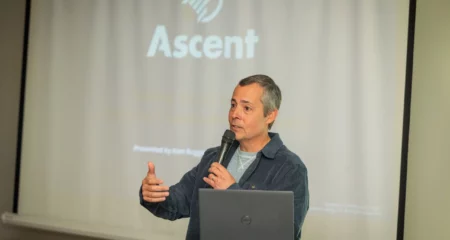 Navigating Student Financial Aid in Changing Times: What Students and Parents Should KnowUpdate: On 3/20/25, President Donald Trump signed an executive order calling for the dismantling of the U.S. Department of Education (ED). He said during a White House event on 3/21/25 that student loans will be handled by the Small Business Administration. Read the latest news coverage here. What’s Happening with the Department of Education Every year, more than $120 billion in federal student aid moves through the U.S. Department of Education (ED) to help nearly 10 million students and their families pay for college. And while the system has had its share of administrative headaches in the past few years, it has built reliable pathways connecting students to grants, loans, and work-study jobs at thousands of schools across the nation. As you may have heard, the Trump administration is reportedly preparing an executive order that would attempt to downsize or potentially eliminate the ED, a department that manages roughly $1.7 trillion in federal student loans. This proposal is more than a policy adjustment—it would be a massive shift that could impact everything from how students apply for financial aid to the protections borrowers have. As of publication on March 13, 2025, the Trump administration initiated mass layoffs at the ED, reducing its workforce by nearly 50%. The headlines keep coming, and sifting through noise can be overwhelming when trying to grasp how it might impact your financial future. But, if you're one of the millions of students or borrowers counting on federal aid to fund your education, the truth is that these changes could directly affect your education plans and how you pay for your degree, so it’s important to stay informed. What This Could Mean For Your Education Funding If the Trump administration succeeds in dismantling the ED, what does this mean for you as a student or borrower? You've probably gotten used to filling out the Free Application for Federal Student Aid (FAFSA) a certain way, knowing who to call with questions, and understanding when your aid will arrive. With the proposed changes, financial aid could be moved to a different agency or even to state governments. And as we saw in 2024 following the troubled rollout of the FAFSA Simplification Act, changes to established processes can send ripples through the student loan ecosystem, delaying access to critical financial aid. Shift Toward Private Lenders One proposal getting a lot of attention would shift student lending from the federal government to private lenders, essentially privatizing the student loan market. If private lenders take a bigger role in financial aid, one result could be a surge of loan options for students and their families, including more flexibility in loan options and terms or specialized loans for certain majors. But there’s a trade-off. Private lenders typically have stricter credit requirements than federal programs, which means credit score and income could matter more. Given many undergraduates are just beginning to shape their career paths and may have little to no credit history or income, they may need to apply with a cosigner in order to qualify. Increase in Interest Rates & Variability If federal lending moves entirely to the private sector, borrowers might also be concerned that interest rates will increase and be more varied across different lenders and loan types. While federal loans offer the same fixed rate to everyone, private lenders adjust their rates based on a borrower’s credit profile. And, interest rates are already climbing across the board. In fact, 10-year Treasury yields (which influence all types of lending rates) have hit their highest point since 2007, which means even existing variable-rate private loans could get more expensive as the market shifts. Just like buying a house, timing matters, and the market is heating up. It will be more important than ever to choose the right private lender based not only on interest rates, but the terms and benefits they provide, such as automatic payment discounts, cash back at graduation, or access to skills training and career coaching (which we provide all borrowers through AscentUP). Fewer Paths to Loan Forgiveness For those of you already juggling federal loan repayment, you know the drill—just when you figure out the system, it changes again. The SAVE plan provides for lower monthly payments, faster paths to forgiveness, and protection from ballooning interest, but is temporarily unavailable and on shaky ground. All borrowers currently enrolled in the SAVE plan have been automatically placed into an interest-free forbearance and the time spent does not provide credit toward Public Service Loan Forgiveness (PSLF). If the SAVE plan is blocked permanently, then borrowers could face higher monthly payments, longer loan terms, and uncertainty about loan forgiveness. If you've been working toward Public Service Loan Forgiveness (PSLF), know that there is a possibility the PSLF program could be scaled back or eliminated. There is a chance that current borrowers could be grandfathered in—but you'll want to stay on top of announcements. While Ascent’s private education loans function independently from federal student loan programs, when major policy shifts occur, these changes can disrupt the entire infrastructure and potentially reshape some or all of the options available to students and their families. When a key player changes the rules of the game—all the players are impacted and have choices to make. What You Can Do We've all dealt with uncertainty before, and while it's never comfortable, you will get through it. Here are some steps you can take to help prepare for potential changes in policy: Get your paperwork in order: Organize your records of the federal aid you've received, such as award letters and loan statements, in one place. Know your numbers: Make sure you understand your current loan terms, interest rates, and repayment timeline. Knowing where your current loans stand will help you adapt if there is a change in policy. Understand how interest rates work: If there are major changes in the market, knowing how interest rates can impact your loan balance could become even more important. Here’s how to calculate your student loan interest: Find your daily interest rate (take your annual rate and divide by 365) Calculate daily interest accrual (multiply your loan balance by that daily rate) Figure monthly payments (multiply daily accrual by days in your billing cycle) Stay informed about policy changes: Follow trusted sources for updates and bookmark reliable financial aid websites like https://studentaid.gov/. Don't panic: Remember, most policy shifts roll out gradually. The changes we're discussing would likely phase in between now and October 2025, with full implementation expected by July 1, 2026. There is time to adapt and adjust your financial plans, if necessary. Explore your funding options: Understand the alternative funding options that might be available to you beyond federal student loans, including private student loans, grants, scholarships, and work-study programs. Ascent is Here to Help Whatever happens with the Department of Education, Ascent is committed to helping students and their families access and fund higher education responsibly. The landscape may change, but our priority—your educational and financial success—will not. We're in this together.
 -
 How Parents or Guardians Can Help Their Child Get a Student LoanAs a parent or guardian of a college-bound student, it’s important to ensure your child is financially prepared to cover the cost of higher education. And as Decision Day approaches, you might wonder whether your child can get a student loan on their own, or if they will need your financial support. Read on to learn if parents or guardians can apply for student loans, which student loan options are available to parents, and what to be aware of when taking out a student loan in your name. Key Takeaways Parents, guardians, or sponsors can support students by cosigning private loans or taking out loans in their name, such as federal Parent PLUS Loans. Parent PLUS loans come with fixed interest rates, income-based repayment options, and potential loan forgiveness. Private student loans vary by lender but may offer higher loan limits, lower interest rates, and cosigner release. Parent-borrowed loans may offer better terms based on credit, but also come with full repayment responsibility. Compare interest rates, terms, and protections carefully. A financial aid advisor can help guide your decision. Can a Parent or Guardian Take Out a Student Loan for Their Child? Parents or guardians can take out a student loan for their child, which can be beneficial for several reasons. One key advantage is that you may qualify for a substantially larger loan amount than your child could on their own. Creditworthiness is generally a major factor in the loan approval process, and it is not uncommon for students to have little or no credit history. In some cases, students may be unable to qualify as solo borrowers. You may also qualify for a lower interest rate on a student loan than your child could for similar reasons. Securing a lower interest rate can save your child a considerable amount over the lifetime of the loan. Additionally, depending on your qualifications, you could receive more favorable loan terms in other ways, such as more flexible repayment options. Applying for a parent student loan or a cosigned student loan are two options parents can consider, with one major difference. With a parent student loan, you (the parent), or the grandparent, guardian, or sponsor taking out the loan is solely responsible for repayment. With a cosigned student loan, on the other hand, you are accepting shared responsibility for repaying the loan if the primary borrower cannot. A parent student loan does not require the student to qualify, nor does the student carry any financial obligation to repay the loan. Opting for a cosigned student loan, however, can help your child build their credit history, if the loan is paid back on time. Types of Student Loans Available to Parents Two primary types of student loans are available to parents or guardians: federal parent PLUS loans and private student loans. Federal Parent PLUS Loans Federal parent PLUS loans, also known as Direct PLUS loans, are provided by the federal government and are designed for biological or adoptive parents. Parent PLUS loans cover the difference between the amount of federal student aid a student receives and the full cost of attendance, which is also the maximum amount of a parent PLUS loan. To apply for a parent PLUS loan, your child must fill out and submit the Free Application for Federal Student Aid (FAFSA®). Like any financial decision, taking out a parent PLUS loan should be evaluated carefully. While this loan type may provide more funding than other financial aid programs, parents should be conscious of borrowing only what they need—and can repay—to avoid long-term financial repercussions. Private Student Loans Various lenders, such as banks, credit unions, and other organizations, provide private student loans directly to parents, or as a cosigner. The application process and eligibility requirements vary by lender and loan type, as do the loan terms. Some lenders, like Ascent, also offer undergraduate student loans designed specifically for parents or guardians and cosigned student loans. Private Student Loans for Parents vs. Parent PLUS Loans There are several key differences between private student loans and federal parent PLUS loans. Advantages of parent PLUS loans include: Interest Rates: Whereas private loan rates will depend heavily on the market and the borrower’s qualifications, a parent PLUS loan offers a fixed interest rate set by the federal government. Repayment Plans: Parent PLUS loans have various repayment plans, including standard, graduated, and income-contingent options. These plans provide flexibility for those looking for a plan that most closely aligns with their financial situation. Deferment and Forbearance Options: Parent PLUS loans typically have many deferment and forbearance options, which can be a lifeline should you experience economic hardship. Loan Forgiveness Programs: Parent PLUS loans may be eligible for the Public Service Loan Forgiveness (PSLF) program, which is highly advantageous for parents with qualifying public service jobs. Key features of private student loans include: Loan Terms: Private student loans offer more variety in terms of interest rates, and repayment plans, meaning that parents choose the best terms for their financial situation. Cosigner Release Options: Some private student loans offer the option of releasing the parent cosigner from loan obligations after the student meets certain loan repayment criteria. Approval Process Timeline: Private loans typically have faster application and approval processes than federal loans. Lending Limits: Private loans may allow parents to borrow significantly higher amounts, in some cases, the full cost of attendance. It’s important to note that the amount a particular parent borrower qualifies for will vary based on creditworthiness and lender. Additional benefits: Private student loan providers often offer additional benefits including cash back rewards, automatic payment discounts, or access to coaching resources like AscentUP. Pros and Cons of Taking the Loan Out in Your Name While there are many advantages to taking out a student loan for your child in your name, there are also some disadvantages. Let’s explore the pros and cons. Benefits of Parents Taking out a Student Loan Access to More Funding: Parents typically have more established credit histories than their children, so they can often qualify for higher loan amounts. Potentially Lower Interest Rates: While the federal government sets parent PLUS loans’ fixed interest rates, parents can often qualify for lower interest rates than their children on private loans. Alleviating Immediate Debt for the Student: A loan in your name removes some of the student's immediate financial burden, allowing them to focus on their studies. Things to be Mindful of When Taking out a Student Loan Responsibility Falls on You: You are ultimately responsible for repaying the loan, regardless if your student completes their program Impact on Your Credit: Taking out a loan can impact your credit, especially if it is for a large amount. Late or missed payments can hurt your credit score, and the loan will impact your debt-to-income ratio (DTI), which can impact your ability to secure other forms of credit. Opportunity for Open Discussion around Finances with Your Child: Mixing family and finances can be tricky, and the financial obligation of the loan should be met with openness and honesty. Open communication about expectations, repayment plans, and financial responsibilities can help prevent misunderstandings. Overview of the Student Loan Application Process for Parents Every private student loan has a different application process, so you must contact each lender to discuss the process for their graduate or undergraduate loans. However, the application process for federal parent PLUS loans is similar. For parent PLUS loans, the steps look like this: Complete the FAFSA. This determines eligibility for most federal student aid programs. Log in to StudentAid.gov. After submitting the FAFSA, use your FSA ID to log in to the Federal Student Aid website. Select “Apply for a PLUS Loan.” Use the “Apply for Aid” tab and choose “Apply for a Parent PLUS Loan” for the relevant award year. Complete the parent PLUS loan application. Provide the required personal and financial information on the application form, such as income, employment, and contact information. You must undergo a credit check. Unlike other federal student loans, the Department of Education assesses your credit history to determine eligibility. Sign the Master Promissory Note (MPN). If approved, you must sign the Master Promissory Note on the studentaid.gov website. This legal document outlines the terms and conditions of the loan and documents your promise to repay it. Receive a loan decision. The Department of Education will notify you whether you’ve been approved for the loan, along with the loan amount and terms. Accept or decline the loan. You can accept the full loan amount, choose a lower amount based on your child’s specific needs, or decline the loan if you no longer need it or have found a better option. Tips on How to Determine Which Type of Student Loan Is Right for Parents Now that we’ve established that parents can take out student loans for their children, the next step is figuring out which loan type best suits their needs. Here are some tips for determining which loan is best for your financial future and your child’s education. Evaluate Your Financial Situation. Assess your income, savings, existing debts, and overall financial capacity to determine what loan repayments you can afford. Research Available Options. Understand federal and private options regarding interest rates, repayment plans, borrower protections, and other terms to determine which best aligns with your needs. Compare Interest Rates. Consider whether fixed or variable rates are more advantageous to you and the specific rates offered on specific loans. For example, if you value the predictability of a fixed rate with ample deferment and forbearance options, a parent PLUS loan might be your best bet. Compare Loan Limits to Need. Different loans have different limits, which may or may not meet your child’s needs. Understand Repayment Options. Different loans offer different repayment options, some of which may be more advantageous for your situation. Assess Your Creditworthiness. Evaluate your credit history and credit score to understand how they might impact your loan approval, interest rates, and available loan terms. Consider Cosigning. Evaluate whether it would be better to be a cosigner yourself or find another cosigner, especially one with a strong credit history. Review Available Borrower Protections. Consider whether deferment, forbearance, loan forgiveness programs, and cosigner releases are available. Seek Professional Advice. Financial aid advisors and student loan experts can provide personalized guidance based on your circumstances and needs. Contact our support team today! Learn More with Ascent Ascent is committed to helping students achieve their goals in college and beyond. That's why we offer a library of financial wellness resources and a variety of loan options to meet your financial needs. Learn more about our college loan options for parents. FAQ Do parents need to cosign student loans for their children? Parents often do not need to cosign student loans for their children if the student borrower can qualify independently. However, cosigning a loan for your child may increase the total loan amount available, reduce interest rates, and secure more favorable terms. Can my child get a student loan on their own? Whether your child can get a student loan independently depends on several factors, including their financial need, creditworthiness, credit score, and the school’s total attendance costs. The best way to determine this is to have them fill out the FAFSA, apply for federal student aid, and then apply for private student loans to address any remaining funding gaps. Application criteria will also vary by lender. How do you get private student loans for parents with bad credit? Although getting private student loans for parents with bad credit can be more difficult, there are options. Some lenders may have more flexible credit requirements or allow collateral to secure the loan. You can also investigate lenders who specialize in helping borrowers with bad credit.
 -
 Managing Student Loan Anxiety: Tips from One Student to AnotherWhen I started college, I knew I’d be taking on student loans. However, I didn’t realize just how much it would weigh on my mind. As much as I try to focus on my classes, internship, and the overall plans for my future, the looming cloud of student debt has always been there. It’s hard to enjoy the moments of college when happiness is tied to a price tag. Over time, I’ve discovered some strategies, and small mindset shifts that have helped manage this anxiety. If you’re dealing with similar feelings, know you are not alone: according to WalletHub, 70% of students are stressed about student loans-. Loan anxiety is a shared experience for many students trying to navigate higher education. The feelings of long-term debt, worry of future job security, and fear of falling behind on payments are all common. Here are steps I’ve taken to better manage that anxiety: 1) Understand the Source For me, student loan stress comes from different sources. First, there’s the long-term commitment, knowing I’ll be making payments for years, and potentially decades, after graduation. I worry about missing payments or how one mistake can ruin things such as my credit score. Another stress I deal with is finding a job, one that can pay me enough to pay off my loans. Whether these uncertainties come from family, friends, or external pressures, they all add fuel to my anxiety. Thankfully, there are resources out there to help ease some of the stress. Ascent has great tools available to borrowers, including AscentUP, an online platform with over 50 hours of on-demand content from industry experts that supports students with financial wellness and aims to help students graduate faster, get a job that matches their needs, and earn a higher starting salary. AscentUP* helps borrowers with their academics, identifying career goals, and building confidence on how to save. It is self-paced and can be done anywhere from your mobile device. 2) Educate Yourself on Loans & Finances One of the best ways I’ve found to manage student loan anxiety is to understand exactly what I owe and how the repayment process works. Each loan type is different; whether you have taken out federal or private loans, understanding the type, term, interest rate, and repayment options will help your loans feel more manageable. For Federal Student loans, you have options: SAVE: Repayment Option: This is an income-driven repayment plan. FASFA describes it as a “plan [that] calculates your monthly payment amount based on your income and family size.” The benefits of the SAVE plan have interesting benefits. If you make your full monthly payment but fall short on paying for your monthly interest, the government will cover it! Borrowers who originally borrowed $12,000 or less receive forgiveness after 10 years. Fixed Repayment: You choose a base of monthly payments based on your income. When it comes to Fixed Repayment, there are three types. Standard Repayment Plan: A fixed monthly payment for a 10-year period. If you don’t choose a repayment plan, your loan servicer will automatically enroll you in this option. - https://studentaid.gov/manage-loans/repayment/servicers Graduated Repayment Plan: Lower payments that increase every two years, designed to be able to financially support yourself and gradually afford higher payments. Extended Repayment Plan: Offers lower fixed payments over a longer term, which is helpful for students pursuing lower-paying careers. TIP: What is Forbearance? Life can be unpredictable, especially when dealing with student loans. Forbearance is built for when life throws you curveballs and you need a temporary pause or reduction in payments. I know this seems like a lot. And each loan is different, but this is why it’s important to do research to understand your loan type. It may seem insignificant now, but loans add up and your research could potentially save hundreds, if not thousands, of dollars. The biggest takeaway is that, unlike Federal Student Loans, private student loans vary depending on the lender chosen. This is where private student loans, like Ascent, can help. Ascent offers multiple options for undergraduate loans of students to help meet their unique financial needs. For Ascent Private Student there, you also have many options: Cosigned Loans: Ideal for students with limited credit history or income. Allows students to have a credit worthy cosigner such as a parent or guardian. Non-Cosigned Loans Based on Credit: Available for students who qualify independently based on their own credit score and income. This is a great opportunity for a student to take full responsibility for their loans Non-Cosigned Outcomes Loan: This is specifically designed for juniors and seniors in college. It is an option for those that want to still support themselves ideally but might not have the facts to back it up. Instead of relying on credit scores, eligibly is determined by factors such as academic performance and projected future income. Parent Loans: This option allows parents to take out a loan on behalf of their child to help educational costs. It offers competitive rates and flexible repayment options tailored to parents. While in school, even small payments can make a big difference. Whether it’s $1, $10, or $20 a month, every contribution helps reduce the overall interest on your loan over time. Ascent allows you to make these manageable payments while still in school, giving you a head start on repayment and potentially saving you hundreds or even thousands of dollars in the long run. It's a simple way to take control of your financial future without feeling overwhelmed. I understand how easy it is to get overwhelmed when there is so much information coming to you all at once- that's exactly why I’m here to help simplify things for you. 3) Building Your Finances Starting your financial journey can be scary and intimidating. If you're not sure where to start, Ascent is here to help. With any journey you take, you have to know where to go. Trust me, as a fellow student I have been exactly where you are now. While feelings like overwhelm never disappear, there are ways to control them. Here are my personally- tested and proven tips to help during college's challenging moments. Start by creating a goal and tracking your progress. Figure out where you are financially and where you want to be to help set your goal. If you are looking for guidance with practical tips the most effective is to ask students like yourself. We have a huge list of tips for budgeting money as a college student. Once you decide what you are working towards, you can start tracking it. It will be hard to get into the habit, but forming healthy spending habits will save you in the long run. Check for student discounts and promo codes. Many popular companies, from streaming services like Hulu and Spotify to large tech companies such as Apple and Microsoft offer discounts for students. Some perks include free trial or reduced subscriptions. Most times to take advantage of these deals all you have to do is present your Student ID or sign in using your school email address. Here is a list of my favorite deals. Apply for scholarships. Take advantage of scholarships to reduce your reliance on loans. Start by researching options offered by your school, local organizations, and online. There are countless databases that will offer you aid based on your background, major, or even personal interest. Even small scholarships add up over time, and every dollar you earn through scholarships is one less dollar you must borrow. TIP: Never stop applying for scholarships!! Check out these easy no-essay scholarships from Ascent. Ascent has awarded over [scholarship_awards_amount] in scholarships to students. 4) Seeking Support and Resources Student loans can feel overwhelming, and like any kind of stress, it’s necessary to keep it all bottled up. Make sure you’re sharing your concerns and frustrations with someone you trust– whether you speak to your parents, friends, or counselor, it’s a big help to get it off your chest. And if there is no one in person you can speak to there are forums with students and professionals on College Confidential about how to deal with this anxiety. Managing student loans and the anxiety that comes with loans as it is an ongoing process; but not an impossible one. With the right tools and mindset, you can focus on moving forward with your education and future! But most critically, remind yourself that you are not alone in this journey. College is about growth and discovery, so don’t let student loans take away from what you can accomplish. College is about growth and discovery so do not let the stress of loans take away from that experience. With the right plan and support you can embrace on all the different experiences and achievements college has to offer. About the author: Maelia (Mia) Madariaga-Ilagan is a fourth-year student at University of San Diego (USD) pursuing a degree in Marketing with a minor focus in Visual Arts. Coming from a large family where all siblings are encouraged to attend college, she understands firsthand the financial pressure that student loans can bring. However, she believes that the struggle of student loans should not shadow the opportunities college brings. During her time at USD, Mia has excelled both academically and within the campus community. She has served as the Public Relations Chair for USD Associated Students and become an active member of many student organizations. These experiences and many more have shaped her growth and given her opportunities to thrive.
 -
 How to Remove a Cosigner from a Student LoanAlthough cosigners can be beneficial, you should know how to remove them from a student loan. Learn how to remove a cosigner with Ascent.
 -
 Pros and Cons of Community College Compared to UniversityMore high school grads are going straight to community college after graduation. Learn why students are choosing community college after high school.
 -
 EFC Meaning: What Happened to EFC?Learn about Expected Family Contribution (EFC), now called the Student Aid Index (SAI), and its role in determining financial aid eligibility.
 -
 Subsidized vs. Unsubsidized Student Loans: What's the Difference?Subsidized and unsubsidized loans are part of the federal direct loan program and offer students various loan options. Learn more.
Tips to save
Ways to earn
Your Ultimate Guide to College Funding
Discover interactive tools, expert insights, and real-world strategies to help you pay for college with confidence.