-
 How Does Tuition Work: Can I Pay in Installments?Embarking on your college journey is an exciting new adventure, filled with the promise of new experiences, personal growth, and endless opportunities. But for many students, the looming shadow of tuition fees and associated costs can put a damper on this new chapter of life. This is where tuition payment plans may help provide some relief. Tuition payment plans, sometimes called college payment plans, are designed to break down a single tuition bill into smaller, more manageable payments. This can help you budget more effectively and make the financial weight of tuition payments feel less overwhelming. In this guide, we'll dive deep into tuition payment plans to help you make informed financial decisions about funding your education. Do Colleges have Payment Plans? Just like undergraduate and graduate loans, tuition payment plans are programs to ease the financial burden of higher education. These plans can act as a financial bridge for students and their families, providing an alternative to the traditional lump-sum payment method. Payment plans for college are offered by many educational institutions. In short, these plans break down tuition bills into smaller increments, which can be a big help when budgeting for the school year. By spreading payments over time, they may help relieve some of the financial strain that a semester of tuition can impose. The concept of a tuition payment plan is like an installment plan, which is commonly offered for major life purchases, such as furniture or cell phones. Tuition payment plans, however, are specifically crafted with a student's academic calendar and financial needs in mind. How does a tuition payment plan work? When you opt for a tuition payment plan, you enter into an agreement with your college or university. The agreement outlines the frequency and the amount of each installment. Depending on the institution and the specific plan, these installments may be monthly, quarterly, or by academic semester. Many tuition payment plans are interest-free, but some might have small fees or interest attached. This is especially common if the payment period extends beyond the academic year. It's important to familiarize yourself with the details of the plan to help you avoid—or at least anticipate— potential late fees or penalties. What costs do tuition installment plans cover? Tuition installment plans are designed to address primary academic expenses. These expenses often apply to the tuition itself, as well as other institution-mandated charges like lab fees or technology fees. Some plans may extend to cover room and board if you live on campus, which can further reduce your monthly expenses. It’s important to note that these plans usually don't extend to more variable expenses. This includes items like textbooks, personal supplies, and off-campus living costs. Check out our checklist to pay for college for important tips and resources that can help you plan for your total expected expenses. Navigating different types of tuition payment plans Whether you receive a monthly allowance, work part-time, or expect a lump sum payment or gift later in the year, most colleges offer plans to help you budget for college. Here’s a look at two of the most popular plans available today: Monthly installment plans For many students and families, managing large expenses can be daunting. Monthly installment plans offer a solution by breaking down your tuition bill into smaller, more manageable payments. Distributing the cost over several months may better align with the month-to-month budgeting habits of many households. This plan can be particularly beneficial if you receive a steady monthly income, ensuring college expenses stay consistent with their financial flow. Features: Splits the total tuition cost into equal monthly payments. Offers predictability for those who track to a monthly budget. May not require interest, but there might be a small administrative fee. Ideal For: Students and families with a consistent monthly income or prefer regular, smaller payments. Deferred payment plans Not everyone funds their college expenses with a regular monthly income. This is one reason some colleges offer deferred payment plans. This option benefits students utilizing non-recurring funds, such as scholarships, grants, or even personal savings, to cover tuition expenses. Certain types of funding are often received later in the academic year, and deferring a portion of the tuition allows for coordination between payment timing and incoming finances. Aligning these schedules can help students cover their educational costs without undue stress. Features: Allows students to defer a significant portion of their tuition. Payments are made after the semester concludes. May come with interest or a higher administrative fee. Ideal For: Students who expect to receive funds later in the academic year or have irregular income patterns. Advantages and drawbacks of tuition payment plans Understanding the pros and cons of tuition payment plans can empower students and their families to make informed decisions that align with their financial situations and goals. Here’s a look at the pros and cons. Pros Enables Manageable Payments Over Time: Tuition payment plans break down the hefty sum of tuition fees into smaller, more manageable payments. For instance, instead of paying $12,000 upfront for a semester, a student might pay $2,000 every month for six months. This structured approach can make budgeting easier and help reduce financial strain. Reduces the Need for Extensive Loans: By opting for a tuition payment plan, students might find they need to borrow less or not at all. For example, a student might only need a loan for half the tuition amount if they can establish a payment plan for the remainder. This can help reduce the future debt they take on through student loans. Often Interest-Free, Making It Cost-Effective: Many tuition payment plans are interest-free, which can result in significant savings over time. Let’s take a student who might otherwise take out a loan with a 5% interest rate. An interest-free payment plan could save hundreds or even thousands of dollars in interest throughout their education. Cons Not All Colleges Offer Them: While tuition payment plans are becoming more common, only some institutions offer them. A student might find their dream college, only to discover that such a payment option isn't available. This could complicate financial planning. Some Might Charge Setup or Late Fees: While the plan itself might be interest-free, there may be other costs. This is why reading the fine print before entering into any financial agreement is important. For instance, a college might charge a $50 setup fee, or late fees for missed payments. These fees can add up over time and cause financial strain, especially if the fees are unexpected. Doesn't Cover All College Expenses: A tuition payment plan may cover your primary academic costs, but what about textbooks, off-campus housing, or personal expenses? Relying solely on a payment may leave you short when it comes to these other essential costs. How to secure your tuition payment plan A good starting point to secure a tuition payment plan is calling your college's financial office or visiting their website. These platforms typically provide comprehensive information about available payment plans, including explaining the terms and conditions. Familiarize yourself with the application process, which usually involves filling out forms and providing financial documentation. Some colleges may have strict eligibility criteria to qualify for a tuition payment plan, such as maintaining a certain GPA or enrolling in a specific number of credit hours. Be sure to familiarize yourself with any requirements before applying. Remember that while tuition payment plans can help you more effectively manage your expenses, they may come with associated fees. Some colleges may charge a setup fee, while others might levy charges for late payments or modifications to the plan. Be aware of these potential costs upfront to avoid any unexpected surprises. Lastly, a pro tip for prospective enrollees: start your planning and applications early. Colleges often have deadlines for enrollment in these plans which can lead to missed opportunities. Early enrollment not only ensures you secure your preferred plan but also gives you ample time to adjust your budget and financial commitments accordingly. This can help eliminate last-minute scrambles and stress. Tips on making the most of your tuition payment plan While a tuition payment plan can help you better manage your finances, it is not a set-it-and-forget-it solution. Proactive planning and discipline are necessary if you want to really benefit from a payment plan. Here are some strategies that can help you make the most of your tuition payment plan: Budget Effectively: A well-structured budget is the backbone of a successful financial plan. Once enrolled, proactively setting aside funds for upcoming installments can help set you up for success once your next payment is due. These reserves could come from a portion of your monthly income or a savings account set aside specifically for this purpose. Familiarize yourself with budgeting hacks like the 50/30/20 rule, which can help establish a structured plan. Video Embed opportunity: https://youtu.be/fEp8cfM5rw4 Leverage Online Tools: The digital age has introduced a variety of useful tools designed to make financial management more accessible. Many colleges and universities offer online platforms where you can track, manage, and even modify your payment plan. These platforms often provide real-time updates on due dates, remaining balances, and payment histories. Some might even offer alerts or reminders, ensuring you're always in the loop about upcoming payments. Automate Payments: Automating the process is one of the most effective ways to ensure timely payments. Most financial institutions and college payment platforms allow for automatic scheduled payments. If you have the funds ready, using this feature can eliminate the risk of forgetting a payment. While automation can be a lifesaver, ensuring your linked account has sufficient funds is crucial to avoid overdraft fees. It is also good practice to periodically review your tuition statements to confirm the correct amounts are being deducted. By budgeting effectively, leveraging available tools, and automating payments, you can make the most of your tuition payment plan without additional stress. Learn more with Ascent Ascent is more than just a financial institution; we're a partner in your educational journey. Whether you are looking for budgeting hacks or tips on paying for college, we have the resources to help you make informed decisions. Learn more about our student loans or view our financial wellness resources for more student success tips. FAQ's Are tuition payment plans available at all colleges and universities? Tuition payment plans have become increasingly popular as a flexible financial solution for students, and many colleges and universities now offer them as an option. However, it's not a universal offering. The availability of these plans often depends on the institution's size, financial policies, and the demand from the student body. Can I use a tuition payment plan for both tuition and other college expenses? Tuition payment plans are primarily designed to help students manage the significant costs of tuition. Most plans will cover tuition and other mandatory fees associated with enrollment. In some cases, colleges might extend the plan to cover room and board, especially if housing is provided by the institution. Remember that discretionary expenses, such as textbooks, off-campus housing, or personal expenses, are typically not included. Getting a clear breakdown of what's covered under your plan is essential to avoid unexpected out-of-pocket expenses during the academic year. How does using a tuition payment plan affect my credit score? At their core, tuition payment plans are not credit agreements, so enrolling in one won't directly impact your credit score. However, the nuances come into play if the college or university involves a third-party lender or if there's a contractual agreement to pay. Missing payments or defaulting on your agreement can lead to negative reports to credit bureaus, which could adversely affect your credit score. Treating your tuition payment plan with the same financial responsibility as any other financial commitment is essential. Staying informed and making timely payments will ensure your credit remains unaffected while you pursue your education.
 -
 When Does Student Loan Interest Start To Accrue?When does interest start to accrue on student loans? Ascent explains when student loans start to accrue interest and when to start paying.
 -
 FAFSA Simplification Act: Changes to the FAFSAAscent Funding walks you through the changes that will be happening to the FAFSA with the FAFSA Simplification Act.
 -
 When is FAFSA Due for the 2024-25 School Year? Deadlines & FAQs for StudentsWorried about missing important FAFSA deadlines for the upcoming school year? Ascent Funding outlines all of the financial aid deadlines you need to know!
 -
 School Codes in FAFSA: Adding, Removing & EditingNeed to update your school information on the FAFSA? Learn more about the process of adding, editing, or deleting a school on your FAFSA even after submission.
 -
 Can International Students Apply for FAFSA?Even though international students can't receive aid from the U.S government, it's still important to complete the FAFSA. Learn more from Ascent Funding.
 -
 How Does Student Loan Interest Work?Differences between interest and APR in student loans If you're exploring different ways to pay for college or graduate school, understanding student loan interest is an important early step. In this guide, we'll explain the mechanics of student loan interest, equipping you with the knowledge needed to confidently navigate your repayment journey. Before getting started, we'll briefly explain two key terms you should be familiar with: Interest is the price paid for the use of borrowed money. It is typically expressed as a percentage rate over a period of time. APR stands for Annual Percentage Rate. The APR gives you an “apples-to-apples” comparison of loans with different terms, represented as an annual rate that includes repayment plans, repayment terms, the interest rate and any origination fees (unlike Ascent, some lenders actually charge origination fees to apply for a loan). Ascent publishes a range of APR’s for our student loan options to help you compare the cost of our college loans with other lenders. What is student loan interest? When you borrow money to pay for college or graduate school, you won't just be paying back the amount you borrowed. There's also a cost to borrowing that money, and that cost typically includes, among other things: interest. Interest is usually expressed as a percentage of the principal amount borrowed and can be either set at a fixed or variable rate, depending on the type of loan you have. The interest on your college loans can significantly impact the total amount you'll repay over time. Continue reading as we dig into the types of student loans and define how student loan interest is calculated. Types of student loans and interest rates Federal student loans The U.S. government offers federal student loans, which are often students' first choice after completing the Free Application for Federal Student Aid (FAFSA®) of their favorable terms and lower interest rates. The common types of federal student loan options include Direct Subsidized Loans, Direct Unsubsidized Loans, and Direct PLUS Loans. The interest rates for federal loans are set by the federal government and are based on two factors: the loan type and the first disbursement date of the loan. For most federal loans, the interest rates are fixed, meaning they won't change over the life of the loan, which can make budgeting for repayment more predictable. Private student loans Private entities like banks, credit unions, and online lenders, such as Ascent, offer private student loans. These loans often have higher interest rates than federal loans and may require a credit check. Interest rates for these loans can be fixed or variable, depending on the lender's policies (more on these concepts below). How student loan interest is calculated Fixed and variable rates are the primary ways to calculate student loan interest. Let's explore the key differences between the two. Fixed rates Fixed-rate student loans have an interest rate that remains the same for the life of the loan. This means your monthly payment will also stay the same, making it easier to budget for your loan payments. The interest on a fixed-rate loan is calculated by multiplying the loan's interest rate by the total principal amount. Variable rates Variable-rate student loans have an interest rate that can change over time based on market conditions. This means your monthly payment can also vary, making budgeting more challenging. Remember that variable-rate loans can offer lower interest rates initially, which can be beneficial if you plan to repay your loan quickly. Subsidized vs. unsubsidized loans Understanding the difference between subsidized vs. unsubsidized loans is crucial when considering your future repayment plans. Subsidized loans are need-based loans where the government pays the interest while you're in school or during deferment periods. On the other hand, unsubsidized loans accrue interest when the loan is disbursed, and the borrower is responsible for paying all the interest. Understanding capitalized interest Capitalized interest is a term you'll often encounter when discussing how student loan interest works. But what does it mean? Capitalization is when your unpaid interest is added to the principal amount of your loan. Capitalization can happen at the end of your grace period, deferment, or forbearance, or if you choose to leave an income-driven repayment plan or consolidate your loans. When interest is capitalized, it increases the principal amount you owe. You may end up paying interest on a larger amount. This can significantly increase the total cost of your loan. It's important to note that the frequency of capitalization can vary based on the type of loan and the terms of your loan agreement. For instance, interest on private student loans may be capitalized more often than on federal student loans, sometimes as often as monthly. When student loan interest starts A common question among borrowers is whether student loans have interest that starts accruing immediately. The answer depends on the type of loan. For federal unsubsidized loans and most private student loans, interest starts accruing as soon as the loan is disbursed. This means your loan balance grows while you're in school and during your grace period. However, if you have a federal subsidized loan, the government pays the interest on your loan while you're in school at least half-time, during your grace period, and during any periods of deferment. During this time, your loan balance will not increase. But remember, once you enter repayment or if your loan enters a forbearance period, interest will begin to accrue. The importance of understanding student loan terms Understanding the terms and mechanics of student loan interest is essential in planning your financial future. It's not just about knowing your interest rate. You should also know when the interest starts accruing, how it's capitalized, and how payments are allocated. Staying on top of these details may help you save money and pay off your debt faster. Knowing when interest accrues allows you to take advantage of opportunities to reduce overall interest. Additionally, strategically directing payments toward the principal helps you progress on your debt and may save you money in the long run. So, take the time to understand the terms of your student loans. This knowledge may empower you to make smart financial choices and take control of your repayment journey. With careful planning and strategic actions, you can confidently navigate your student loans and work toward a brighter financial future. Learn more with Ascent At Ascent, we're committed to helping students navigate the world of student loans. From the basics of student loans to repayment strategies, we've got the financial wellness resources you need to help make informed decisions about your future. Whether considering college loans for the first time or exploring graduate student loans for higher education, you can check your rates today without impacting your credit score. FAQ Can student loans be used for other expenses besides tuition? Yes, you can use student loans for other expenses related to your education. "Other expenses" may include books, supplies, meal plans, room and board, transportation, and technology expenses like a computer. However, remember that all these expenses must be repaid with interest. It's best to only borrow what you need. How long does it take to pay off student loans? The time it takes to pay off student loans can vary depending on your repayment plan, the amount you owe, and how much you can afford to pay each month. The standard repayment plan for federal student loans is ten years, but income-driven repayment plans can extend the repayment period to 20 or 25 years. For private student loans, the repayment period can range from 5 to 20 years or more.
 -
 What is a Stafford Loan?Understanding Stafford loans & how to apply From scholarships to grants, a whole range of financial aid options are available to students pursuing higher education. But when navigating the world of college financing, Stafford Loans have become a go-to resource for many eligible students. Learn about Stafford loans and how they can help you reach your academic goals today. What is a Stafford loan? Stafford Loans, named after U.S. Senator Robert Stafford, are a type of college loan offered to eligible students enrolled in accredited American institutions to help finance their education. These loans are part of the William D. Ford Federal Direct Loan Program, the largest federal student loan program in the United States. Understanding what a Stafford Loan is can help you make informed decisions about financing your education. How Stafford loans differ from typical loans Unlike other types of personal loans, Stafford Loans are specifically designed for students and come with several benefits that make them a popular choice for financing higher education. To start, they generally offer lower interest rates compared to private student loans. Additionally, they provide flexible repayment plans and loan forgiveness programs. Most importantly, the government pays interest on some Stafford Loans while the student is in school, during the grace period, or in periods of deferment. (Note: a grace period is defined as the first six months after leaving school.) Exploring the types of Stafford loans When it comes to Stafford Loans, it's important to understand the difference between subsidized and unsubsidized loans. Here’s a look at their key differences: Subsidized Stafford loans Subsidized Stafford Loans, now commonly known as Direct Subsidized Loans, are a great option for students with demonstrated financial need. These loans come with an added benefit—the government covers the interest while you are enrolled at least part-time, during the grace period, and any deferment periods. This means you won't have to worry about interest piling up during these periods, which can make the loan more affordable long term. Unsubsidized Stafford loans Unsubsidized Stafford Loans, also known as Direct Unsubsidized Loans, are available to all students regardless of financial need. With these loans, interest starts accruing when the funds are disbursed. If you defer interest payments while in school, it's important to note that the accumulated interest will be added to the loan balance. As a result, capitalization will increase the overall repayment amount. It is crucial to consider the long-term implications of accruing interest and make an informed decision based on your specific financial circumstances. How to apply for a Stafford loan Considering a Stafford Loan to help finance your education? The first step is to complete the Free Application for Federal Student Aid (FAFSA®). This application collects important information about your financial situation. Your school can then use this information to determine your eligibility for various forms of financial aid, including Stafford Loans. Make sure to provide accurate and thorough details on the FAFSA to ensure an accurate assessment of your aid eligibility. Once your FAFSA is processed, your school will include any Stafford Loan you're eligible for in your financial aid offer. Are Stafford loans the right choice for me? Determining whether Stafford Loans are the right fit for you requires careful consideration of your circumstances. Consider factors such as your financial need, your projected future income, whether or not you’ll be applying with a cosigner, and your comfort level with taking on debt. While loans can provide valuable financial support for your college education, it's crucial to understand that they come with the responsibility of repayment, often with interest. Assess your financial situation and weigh the benefits and potential drawbacks of Stafford Loans before deciding. Exploring other sources of financial aid, such as scholarships and grants, can also be beneficial in reducing the overall amount of debt you may incur. Stay informed with Ascent From financial wellness resources to scholarship opportunities, Ascent is committed to helping students and their families make informed financial decisions—in college and beyond. Learn more about how our cosigned student loan options can help supplement your federal loans to cover more of your education costs. Frequently Asked Questions Are Stafford loans federal loans? Stafford Loans are federal loans administered by the U.S. Department of Education. As part of the William D. Ford Federal Direct Loan Program, the federal government provides these loans directly to eligible students. The government acts as the lender, offering the loan funds and managing the loan throughout its lifecycle. As with other federal loans, Stafford Loans come with certain advantages. They typically offer more favorable terms and borrower protections compared to private loans. Additionally, federal loans provide access to various repayment plans, forgiveness options, and potential deferment or forbearance opportunities in case you face financial hardship. Do Stafford loans have to be repaid? Yes, like all student loans, Stafford Loans do require repayment. However, repayment typically starts six months after you graduate, leave school, or drop below half-time enrollment. This grace period gives you a transition period to find employment and establish your financial footing before you begin making loan payments. Interest may still accrue during this grace period for unsubsidized Stafford Loans, so it's worth considering whether making interest payments during this time would benefit you in the long run. Understanding the repayment terms and options for Stafford Loans is crucial for planning your financial future and ensuring timely repayment without undue burden. Can you get denied for a Stafford loan? Although Stafford Loans are designed to benefit most students, they have some eligibility requirements. For instance, you must be enrolled at least half-time in a program that leads to a degree or certificate. You also need to maintain satisfactory academic progress. Your financial situation could also affect your eligibility for subsidized Stafford Loans based on financial need. It's important to understand these requirements before you apply for a Stafford Loan. How much can you borrow with a Stafford loan? The amount you can borrow with a Stafford Loan depends on several factors, including your year in school, whether you are a dependent or independent student, and whether the loan is subsidized or unsubsidized. For dependent students, the annual borrowing limit for subsidized loans ranges from $3,500 for first-year undergraduate students to $5,500 for third- and fourth-year undergraduate students. The total loan limit for dependent students is $31,000, of which at most $23,000 can be in subsidized loans. For independent students, the annual borrowing limit for subsidized loans is the same as for dependent students. However, independent students can borrow more in unsubsidized loans, with the total annual borrowing limit ranging from $9,500 for first-year undergraduate students to $12,500 for third- and fourth-year students. The total loan limit for independent students is $57,500, of which at most $23,000 can be in subsidized loans. Graduate or professional students, considered independent, can borrow up to $20,500 per year in unsubsidized loans, with an aggregate limit of $138,500, including loans received for undergraduate studies. Planning your borrowing carefully ensures you only hit these limits after you complete your education. What is the interest rate on a Stafford loan? The federal government determines the interest rate on a Stafford Loan, which is fixed for the life of the loan. For loans first disbursed on or after July 1, 2023, and before July 1, 2024, the interest rate for undergraduate unsubsidized and subsidized Stafford Loans is 5.50%. For graduate or professional unsubsidized Stafford Loans, the rate is 7.05%. These rates are often lower than those for private student loans, making Stafford Loans a potentially more affordable option for students. Can Stafford loans be forgiven? Yes, your Stafford Loans can be forgiven under certain circumstances, meaning you won't have to repay some or all of the loan. For instance, the Public Service Loan Forgiveness (PSLF) program forgives the remaining balance on your Direct Loans after you have made 120 qualifying payments while working full-time for a qualifying employer, typically a government or non-profit organization. There are also loan forgiveness programs for teachers and for those serving in the military. It's important to understand the requirements for these programs if you're considering pursuing loan forgiveness.
 -
 Does FAFSA® Cover Graduate School and Masters Programs?You're reaching the final year of college, and you couldn't be happier. You have already decided to continue your education by going to graduate school and are ready to embark on this new adventure. But as you look at the potential cost of graduate school, you wonder, "Does FAFSA cover graduate school? Is that a thing?" If you're wondering, "does FAFSA pay for graduate school?" this blog will review the ins and outs of federal aid for graduate school. Can you get financial aid for graduate school? The Free Application for Federal Student Aid (FAFSA®) covers graduate school, and if you're wondering, "Does FAFSA cover masters programs?" It does! Just like your undergraduate degree, when you apply for the FAFSA for graduate school, you may be eligible for federal grants, scholarships, and loans, including: Direct Unsubsidized Loans Direct PLUS Loans for Graduate or Professional Students Teacher Education Assistance for College and Higher Education (TEACH) Grants Federal Work-Study Federal Pell Grants Outside of the FAFSA, you may also explore other funding opportunities, such as: Organization grants: There could be many industry-specific grants in your prospective field. Fellowships: In exchange for research activities, private organizations, government organizations, and schools may have fellowships based on your field of study and G.P.A. Employer Tuition Assistance: Some employers will pay or even reimburse some of the tuition for grad school. Scholarships: This is a traditional option available to graduate students. You can research scholarships on academic excellence, majors, and cultural diversity. Assistantships: Some schools have living stipends or even waive tuition for students in a specific trade. Military Aid: The GI Bill may help you pay for graduate school if you served in the military. Depending on where and when you did, you could also be eligible for the Iraq & Afghanistan Service Grant. How to fill out the FAFSA for graduate school Now that you know the answer to does FAFSA pay for graduate school, you're probably wondering how to fill out the application online. The submission process is almost the same for graduate students as for undergrad students. There is just one key difference. You're now considered independent. When you (and probably your parents) first filled out your FAFSA for your undergrad degree, you identified as a dependent. As a result, you submitted your parents’ financial information. Now that you're a graduate student, you'll need to apply independently and submit the following on your own: Tax return information Account balances for your bank or credit union and investment accounts if you have any Your social security number Your Federal Student Aid (F.S.A.) I.D. It can take less than an hour to complete the FAFSA if you have all the documentation handy. How much does FAFSA cover for grad school? How much FAFSA covers for graduate school depends on when you submit your application and what you may be eligible to receive. Grants and scholarships are awarded on a first-come-first-serve basis. When you submit your FAFSA and what funds are available at that time will determine how much aid you can expect to receive. When it comes to Direct Unsubsidized Loans, you'll get up to $20,500 a year. Remember that since you are applying as a dependent student, you are not eligible for the Direct PLUS loan. What is the Deadline for FAFSA? The deadline for FAFSA is the same regardless of whether you're an undergrad or graduate student is June 30th. The deadline stays the same year by year, so submitting your application as early as possible is best. As we've said before, the earlier you submit your application, the more money you could receive via scholarships and grants. Other financial aid options for grad students Don't worry if you've filled out your FAFSA, tried all the other options listed above, and still need help. There are some options to consider. Private graduate school loans can help you bridge the financial gap in your expenses and can help you pay for school.
 -
 The Different Types of Financial Aid Explained: Loans, Grants, & Work-Study ProgramsTypes of Financial Aid Explained: Learn about the different types of financial aid available for students, including loans, grants, and work-study programs.
 -
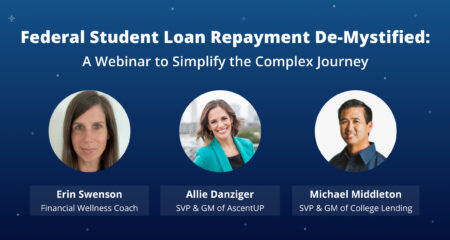 Confused about Federal Student Loan Repayments? Questions from Students, Answers from AscentAscent hosted an engaging webinar to address what’s on many people’s minds - federal student loan repayment. We know that embarking on this journey can be overwhelming and you're not alone. According to NerdWallet, “nearly 44 million borrowers with student loans” are entering repayment. We're committed to supporting individuals every step of the way. Our recent webinar, 'Federal Student Loan Repayment De-Mystified,' covered several topics ranging from how to prepare for repayment to understanding your repayment plan and exploring the invaluable resources available for those making budget adjustments. We want to offer resources and address some important audience questions we didn’t have time to cover and provide guidance and support on this complex topic. There are some great options for student loan repayment. What are the potential downsides to an Income Driven Repayment plan (IDR)? Income Driven Repayment (IDR) plans may be a good option for students that are unable to make their required payments under a standard, graduated or extended repayment plan, have low income or are enrolled in the Public Service Loan Forgiveness program, among other reasons. However, it is not always the best option for all students. Some of the disadvantages of IDR's include: You might not qualify for a lower payment than under a standard repayment plan Depending on which IDR plan, loan balances may increase as well as total cost of the loan due to unpaid interest It will generally take longer to fully repay the debt obligation Monthly payments may increase as your income increases There may be tax consequences for forgiven loan balances, and you may want to consult a tax professional What if my monthly payment is too high? How can I reduce this to a manageable amount? According to StudentAid.gov, “Most federal student loans are eligible for at least one income-driven repayment plan. If your income is low enough, your payment could be as low as $0 per month.” Start by exploring the new SAVE plan and use the Loan Simulator. This tool will help you explore repayment options that fit your needs. You can also reach out to your Loan Servicer to explore options for reducing your monthly payment. To find your Loan Servicer: Log into StudentAid.gov, view your Dashboard and access their information on the right-hand side panel. What is PSLF and how can I qualify? The Public Service Loan Forgiveness is a program for individuals employed by a government or non-profit organization that forgives the remaining balance on your direct loans: If you are working full time for an eligible employer After you’ve made the equivalent of 120 qualifying monthly payments under an accepted repayment plan The PSLF Help Tool is a great place to start and will help you: Search for qualifying employers List what actions you may need to take to become eligible Generate a PSLF form (tip: You must complete the form in a single session) Need more info? Check out this helpful FAQ about PSLF What types of student loan repayment options are there for Parent Plus Loans? Parent PLUS borrowers are eligible for the following repayment plans: Standard Repayment Plan Graduated Repayment Plan Extended Repayment Plan According to StudentAid.gov, “Parent borrowers can become eligible for an additional repayment plan—the Income-Contingent Repayment Plan—by consolidating their parent PLUS loans into a Direct Consolidation Loan.” If you have concerns about making payments, reach out to your Loan Servicer to discuss your options. Need more info? Check out these Parent Plus FAQs The conversation is far from over The conversation is far from over. It's ever evolving, and we recognize the importance of this topic for enrolled and unenrolled students, graduates and cosigners. We're dedicated to delving deeper and bringing more insights, advice, and conversations in the coming weeks. Stay tuned and keep sharing your questions, concerns, and personal experiences as it helps shape these discussions and strengthens our Ascent community.
Tips to save
Ways to earn
Your Ultimate Guide to College Funding
Discover interactive tools, expert insights, and real-world strategies to help you pay for college with confidence.